Resilient Construction: Leveraging Concrete for Long-Lasting Structures Jun 26, 2026
Concrete, a composite material composed of cement, water, and aggregates, is renowned for its strength and versatility. Its robust nature makes it a preferred choice for constructing buildings, bridges, and roads that can withstand the test of time and environmental elements. Unlike other construction materials, concrete's ability to harden and strengthen over time makes it an invaluable asset in resilient construction.
One of the primary benefits of using concrete is its resistance to natural disasters. Structures built with concrete are exceptionally resistant to earthquakes, hurricanes, and floods. This makes concrete a preferred material in regions prone to such catastrophic events. By opting for concrete, builders can ensure that the structures remain intact and safe during and after disasters, protecting lives and investments.
Beyond its structural resilience, concrete also plays a critical role in energy efficiency. Concrete has excellent thermal mass properties, meaning it can absorb and retain heat. This helps in maintaining an even indoor temperature, reducing the reliance on heating and cooling systems. Over time, this leads to significant energy savings and a smaller carbon footprint, addressing the growing need for sustainability in construction.
For Concrete Creations to Foundations, utilizing concrete also means reaping the benefits of cost efficiency and low maintenance. Once a concrete structure is erected, it requires minimal upkeep compared to other materials like wood or steel. Its resistance to wear and tear, as well as its ability to withstand harsh weather conditions, ensures that maintenance costs are kept to a minimum. In the long run, this translates to savings on repairs and replacements, offering substantial financial benefits to property owners and stakeholders.
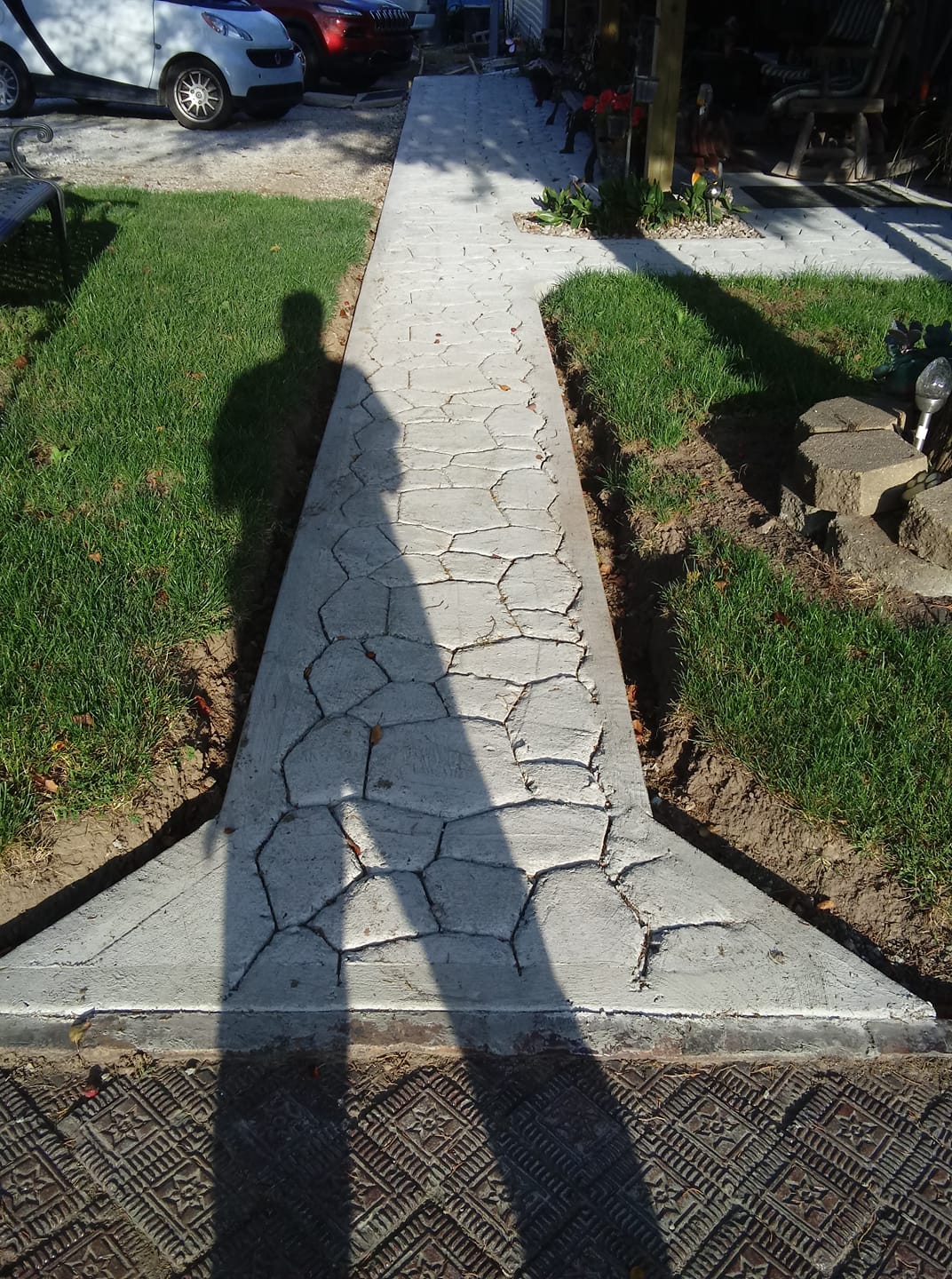
Another compelling reason to choose concrete is its versatility in design and aesthetics. Modern concrete technologies allow for a wide range of finishes and textures, providing creative freedom to architects and designers. Whether it's smooth surfaces or decorative motifs, concrete can be molded to meet the unique aesthetic demands of any project while maintaining its strong structural integrity.
As we look towards the future of sustainable and resilient infrastructure, the importance of concrete is only set to grow. Developers and contractors must prioritize materials that not only support the architectural vision but also promise longevity and safety. Concrete embodies these attributes, making it an indispensable component in modern construction.
In conclusion, resilient construction is an achievable goal, thanks to the unparalleled capabilities of concrete. With its proven track record of durability, efficiency, and versatility, concrete remains at the forefront of building materials. For companies like Concrete Creations to Foundations, embracing concrete is integral to delivering quality projects that stand strong through time and adversity. By investing in concrete solutions, builders can ensure that they provide structures that are not only robust but also sustainable, offering long-term benefits that resonate with today’s demand for value and security in construction.
/filters:no_upscale()/filters:format(webp)/media/aa690aa4-3896-4fed-9ee3-1a3705cd6514.jpeg)