Timeless Beauty: Exploring the Aesthetic Potential of Concrete in Architecture May 10, 2026
In today's architectural landscape, concrete is celebrated for its timeless beauty and adaptability. Whether it’s for a sleek urban development or a warm, inviting residential project, concrete's ability to blend into various environments makes it an architect's staple. What's more, concrete can be molded into virtually any shape, allowing for creative freedom in design. This flexibility is crucial in achieving innovative architectural expressions, from seamless curves to abrupt angles, without sacrificing strength or stability.
Beyond its structural applications, concrete can serve as an aesthetic centerpiece. Polished concrete flooring, for example, offers a sophisticated sheen and durability that stands the test of time, reducing the need for replacements and repairs. This not only enhances the beauty of a space but also aligns with sustainable building practices, an essential consideration in contemporary design. Such practical elegance translates to both commercial venues and private homes, where a polished finish can bring a touch of modernity and elegance.
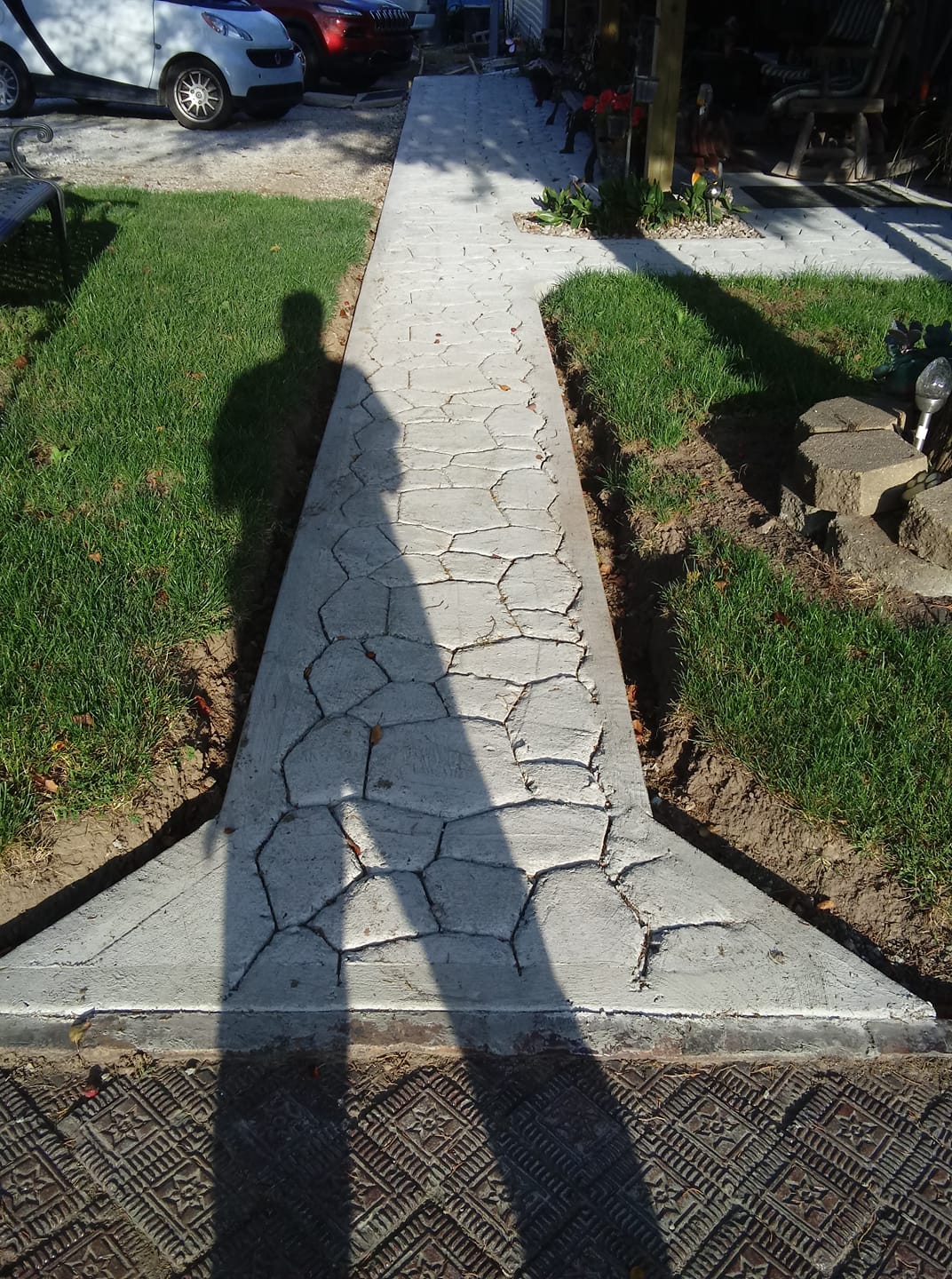
The surface texture of concrete also allows for a diverse range of finishes, from smooth and polished to rough and rustic. Utilized in feature walls or facades, exposed aggregate can introduce visual interest and a tactile dimension that enriches the architectural narrative. Additionally, integrating natural elements like wood and greenery with concrete can soften its industrial look, creating a harmonious balance between nature and modern architecture.
Color is another dimension where concrete shines. While often associated with dull gray, advancements in pigmentation mean concrete surfaces can be tinted to match any palette. From subtle, earthy tones that merge with natural landscapes to bold, vibrant colors that make a statement, colored concrete offers limitless possibilities for creativity. This versatility is particularly beneficial in urban settings, where concrete's clean lines and smooth surfaces complement the dynamic mix of glass and steel.
Moreover, concrete's environmental benefits are increasingly attractive. As a key component in sustainable construction strategies, concrete is known for its thermal mass, which aids in energy conservation by maintaining stable indoor temperatures. This eco-friendly attribute supports the growing demand for greener buildings that minimize their carbon footprint.
In conclusion, the aesthetic potential of concrete in architecture is expansive and dynamic. For clients considering their next project, embracing concrete’s versatility can lead to timeless and beautiful spaces. With the expertise of a company like Concrete Creations to Foundations, harnessing concrete’s aesthetic capabilities is not just possible but practical. Whether envisioning a cutting-edge office building or a cozy family home, concrete offers a foundation of beauty and durability.
As we continue to push the boundaries of architectural design, let us not overlook the potential of concrete as a medium of visual and structural artistry. By doing so, we not only honor its historical legacy but also pave the way for future innovations. Concrete remains not just a building material but a testament to what is possible when creativity meets durability.
/filters:no_upscale()/filters:format(webp)/media/aa690aa4-3896-4fed-9ee3-1a3705cd6514.jpeg)