Transforming Spaces: How Concrete Shapes Modern Architecture Mar 22, 2026
Concrete stands as one of the ancient building materials, yet its application today transcends mere traditional uses. Architects and designers are constantly tapping into its potential, leveraging concrete's unique characteristics to create masterpieces that pave the way for future trends. The significant surge in utilizing concrete in modern architecture is largely due to its durability, sustainability, and adaptability. These qualities make it an ideal choice for both residential and commercial projects.
One of the most remarkable aspects of concrete is its durability. Structures built with concrete are known for their longevity, resisting both time and environment. While offering robustness, concrete also demands minimal maintenance—a significant advantage for homeowners and businesses alike. In the context of sustainability, concrete contributes to eco-friendliness through its energy efficiency and ability to be recycled and used in new projects.
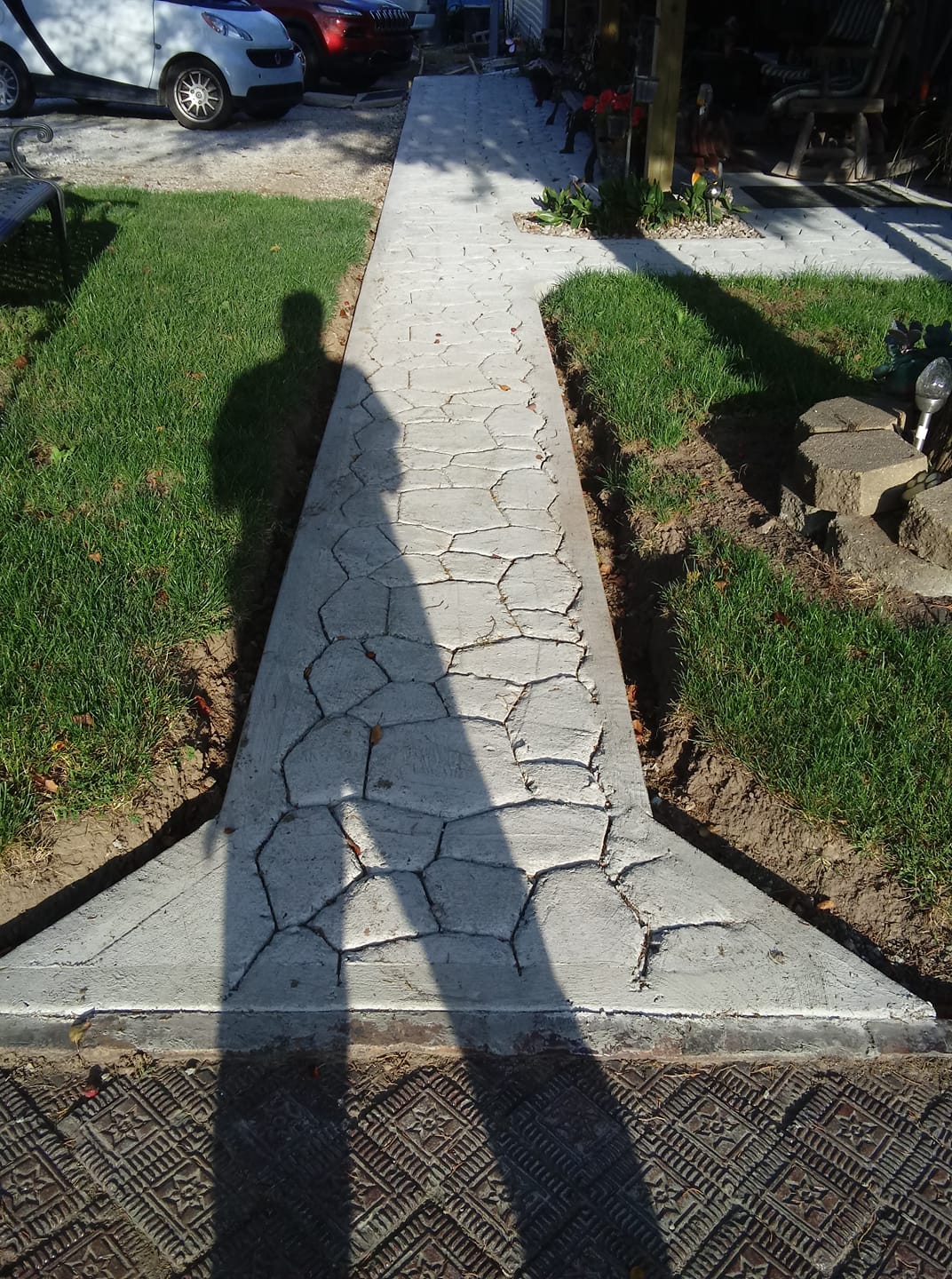
Beyond its functional prowess, concrete is celebrated for its aesthetic flexibility. Architects utilize concrete to experiment with shapes and surfaces, creating bold and imaginative designs. Whether it is the smooth, polished floors of a contemporary home or the rough, textured walls of an industrial-inspired building, concrete offers an array of visual possibilities. Its neutral color palette also allows it to blend seamlessly with other materials such as glass, wood, and steel, further enhancing the design aesthetic of any space.
Furthermore, concrete can significantly reduce noise pollution in urban areas due to its density and mass. This feature is particularly valuable in designing residential spaces in crowded cities, helping create peaceful interiors. Concrete’s thermal mass capability helps regulate indoor temperatures, cutting down on heating and cooling costs, and contributing to a building’s energy efficiency.
Innovation doesn’t stop at the visual or thermal benefits of concrete. Technological advancements have introduced new forms of concrete like translucent concrete, which allows light to pass through, and self-healing concrete, which repairs its own cracks. These innovations further cement concrete’s place in modern architecture, expanding the potential uses of this already adaptable material.
For concrete service companies like Concrete Creations to Foundiations, guiding clients through the possibilities of concrete can transform the perception of this ancient material. By emphasizing concrete’s role in creating beautiful, durable, and efficient spaces, clients can make informed decisions that align with their design goals and environmental commitments.
In conclusion, the role of concrete in modern architecture is both foundational and transformative. Its potential to shape spaces that are not only functional but aesthetically remarkable makes it a material of choice for innovators in the field. As we continue to explore new frontiers in architectural design, concrete will undoubtedly remain a powerful ally in crafting the spaces of tomorrow. Whether used for its strength or artistic versatility, concrete is fundamental in the journey towards sustainable and modern architectural excellence.
/filters:no_upscale()/filters:format(webp)/media/aa690aa4-3896-4fed-9ee3-1a3705cd6514.jpeg)